
Common Mistakes Diaspora Investors Make in Nigerian Construction : How to Avoid Them
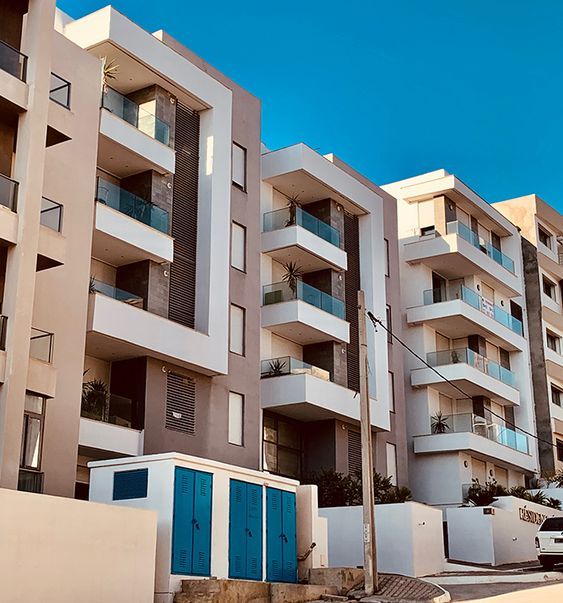
Investing in property or construction projects in Nigeria while living abroad can be highly rewarding—but it also comes with unique risks. Many diaspora investors lose money, time, or even entire projects due to avoidable mistakes rooted in distance, assumptions, and lack of professional oversight.
Below are the most common mistakes diaspora investors make in Nigerian construction and practical ways to protect your investment.
- Starting Construction Without Proper Design & Engineering
The mistake:
Many investors rush into construction based on sketches, verbal ideas, or copied plans without engaging qualified architects, structural engineers, and other professionals.
Why it’s dangerous:
Leads to under-designed foundations and structural elements.
Increases risk of cracks, excessive deflection, or collapse
Results in costly redesigns and rework mid-construction
The right approach:
Always insist on:
- Approved architectural drawings.
- Structural designs compliant with Nigerian codes and international standards.
- Soil investigation (geotechnical report) before foundation design.
- Skipping Soil Tests to “Save Cost”
The mistake:
Assuming that “the soil looks good” or using nearby buildings as justification for foundation type.
Why it’s dangerous:
Soil conditions vary significantly even within the same street.
Can result in foundation failure, uneven settlement, or excessive cracks.
Repairing foundation problems costs far more than testing.
The right approach:
Carry out a professional soil investigation and let foundation design be based on actual soil data—not guesswork.
- Entrusting Projects to Unqualified or Unscrupulous Hands.
The mistake:
Leaving projects entirely in the hands of relatives, caretakers, or artisans without technical competence or accountability.
Why it’s dangerous:
- Use of substandard materials.
- Deviation from approved drawings.
- Inflated costs and hidden variations.
- Poor workmanship that compromises safety.
The right approach:
Engage registered professionals and reputable firms.
Separate roles: designer ≠ contractor ≠ supervisor.
Demand documentation, reports, and site records.
- Lack of Independent Site Supervision.
The mistake:
Assuming that the contractor will “do the right thing” without external supervision.
Why it’s dangerous:
Reinforcement may be reduced or altered.
Concrete mix ratios may be compromised.
Structural details may be ignored
The right approach:
Appoint an independent project manager or site supervisor who:
Represents your interest.
Conducts regular inspections.
Sends photo, video, and written progress reports.
- Poor Contract Documentation
The mistake:
Relying on verbal agreements or poorly written contracts.
Why it’s dangerous:
Disputes over scope, cost, and timelines.
Difficulty enforcing accountability.
Uncontrolled variations and budget overruns.
The right approach:
Ensure proper documentation including:
Detailed Bills of Quantities (BOQ).
Clear construction contracts.
Defined milestones and payment schedules.
- Inconsistent Cash Flow Planning.
The mistake:
Sending money sporadically without a structured financial plan.
Why it’s dangerous:
- Project delays.
- Contractor abandonment.
- Material price escalation eroding budget.
The right approach:
Prepare a phased project budget.
Link payments strictly to verified work progress.
Include contingency allowances.
- Ignoring Regulatory Approvals & Compliance.
The mistake:
Building without proper planning approvals, structural approvals, or regulatory compliance.
Why it’s dangerous:
- Risk of demolition or stop-work orders.
- Difficulty selling or insuring the property.
Legal and financial exposure.
The right approach:
Secure all required approvals before and during construction—from planning authorities, structural reviewers, and relevant agencies.
- Overconfidence in Remote Monitoring Alone.
The mistake:
Relying solely on phone calls, WhatsApp photos, or occasional visits.
Why it’s dangerous:
- Photos can be selective or misleading.
- Critical construction stages may be missed.
- Defects get hidden before inspection.
The right approach:
Combine remote monitoring with:
Scheduled physical inspections.
Independent professional reports.
Digital documentation and records.
- Choosing Cost Over Quality
The mistake:
Selecting the cheapest option without considering long-term performance.
Why it’s dangerous:
- Increased maintenance costs.
- Reduced structural lifespan.
- Safety risks to occupants.
The right approach:
Focus on value engineering—not cheap construction. The goal is safe, durable, and economical, not just low initial cost.
Final Thoughts: Build Smart, Build Safe.
Most diaspora construction failures are not due to bad intentions—but poor planning, weak controls, and absence of professional systems.
Successful diaspora investors do three things right:
- Engage qualified professionals.
- Demand transparency and documentation.
- Treat construction as a technical and financial system—not a favor-based arrangement.
At ABAMATH Global Company Limited, we specialize in supporting diaspora clients with engineering design, construction management, remote supervision, and transparent reporting, ensuring your Nigerian projects are safe, compliant, and value-driven—no matter where you live.
Designing Dreams. Building Realities. Delivering Values.

Related Posts
By abamathg
December 20, 2025Hunn! Impressive
By abamathg
December 20, 2025Good
By abamathg
December 20, 2025Great